
Master Surfboard Ding Repair: DIY Tips & Pro Options
Discover how to expertly repair surfboard dings, from DIY methods using Solarez to professional services. Learn about costs, wait times, and complexity.
Your Comprehensive Guide to Surfboard Ding Repair
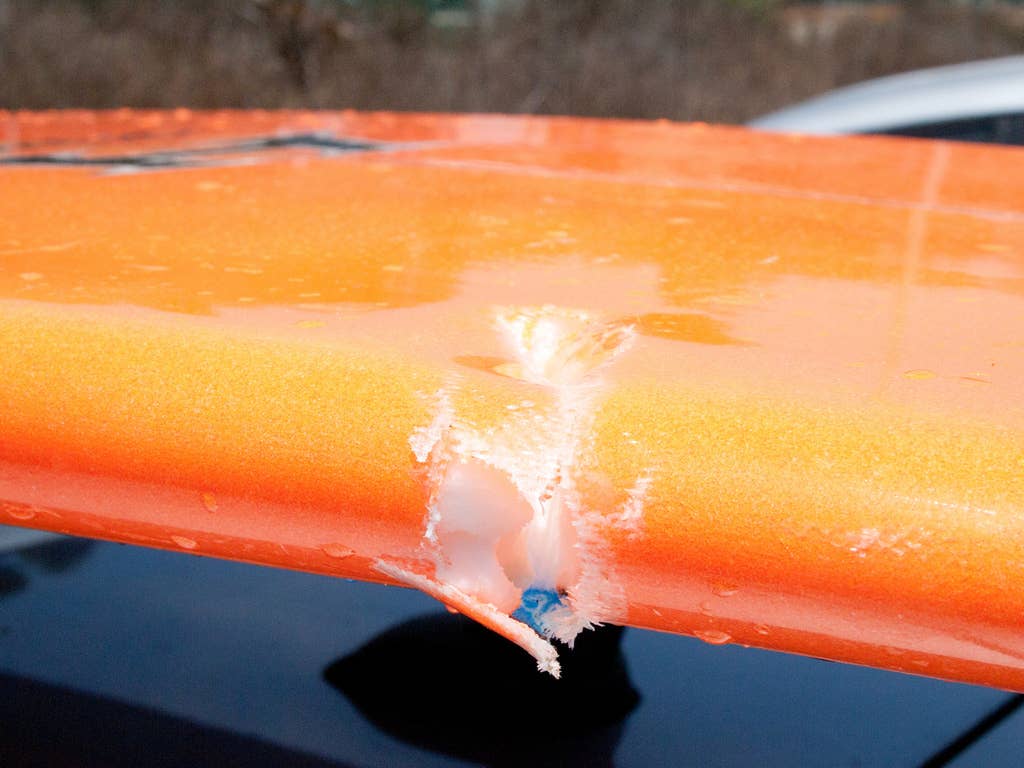
As a dedicated surfer, the sight of a ding on your cherished board can feel like a personal affront. But fear not - with the right knowledge and tools, surfboard ding repair can be a manageable task. Whether you're a DIY enthusiast or you prefer leaving it to the pros, understanding the ins and outs of ding repair will save you time, money, and headache. In this guide, we'll explore the differences between various board materials, DIY methods, and professional options.
Understanding Your Surfboard Construction
Epoxy/EPS vs. PU
Before diving into the repairs, it's crucial to know what kind of surfboard you own. Surfboards are typically constructed from polyester polyurethane (PU) or epoxy expanded polystyrene (EPS). Each requires different approaches when it comes to repairs.
Polyester Polyurethane (PU)
- Traditional material: Most classic boards are made of PU, which tends to be more flexible but heavier.
- Repair compatibility: PU boards can easily be repaired with polyester resin, making them more straightforward for DIY repairs.
Epoxy Expanded Polystyrene (EPS)
- More modern construction: EPS boards are lightweight and more environmentally friendly.
- Epoxy resin requirement: Only epoxy resin should be used for dings on these boards as polyester resin could dissolve the foam core.
Identifying the Type of Damage
Understanding the complexity of the repair required is also essential. Dings can occur anywhere on the board, and their location can determine the level of difficulty.
Tail, Rail, and Nose Dings
- Tail dings: Often bear the brunt of pressure and can lead to waterlogging if not attended to quickly.
- Rail dings: Common from collisions with other objects. They require more attention to prevent splits from spreading.
- Nose dings: These are less common but can affect handling and aesthetics, needing precision in repair.
DIY Repair Methods
Using Solarez and Other Kits
For those who enjoy fixing things themselves, DIY repair kits like Solarez are both practical and cost-effective. Solarez is a well-known UV-curable resin that works with both PU and epoxy boards.
Steps for Repairing with Solarez
- Clean and dry the damaged area thoroughly.
- Apply Solarez directly to the ding, ensuring it fills any gaps.
- Use a plastic scraper to smooth over the patch.
- Expose the area to sunlight or a UV lamp to cure the resin quickly.
Tip: Always check the product compatibility with your board material to prevent further damage.
Transition to Professional-grade Materials
If you're leaning towards a more permanent solution without the need for professional service, advanced DIYers might opt for using materials like fiberglass cloth and resin. This route requires more skill and patience but can yield excellent results.
Seeking Professional Repair
When to Go to a Professional
If the damage is extensive or you're unsure of your abilities, a professional ding repair service might be your best move. Professionals have the expertise to restore your board to optimal condition without the risk of mistakes or further damage.
Cost and Wait Times
- Cost: Depending on the severity and location of the ding, professional repairs can range from $30 to $100 or more.
- Wait times: Generally ranges from a few days to a couple of weeks, depending on the shop's workload.
When searching for professional services, speak with local surf communities or look up reputable shops with positive reviews online.
Conclusion
Whether you choose the DIY route or decide to call in the pros, being informed about your options makes all the difference. Understanding your board's construction, evaluating the damage, and knowing when to reach out for professional help can keep your board seaworthy and your surfing itch satisfied. Keep this guide handy as a reference next time you find a ding on your surfboard, and remember, getting back in the water is always worth the repair efforts!