
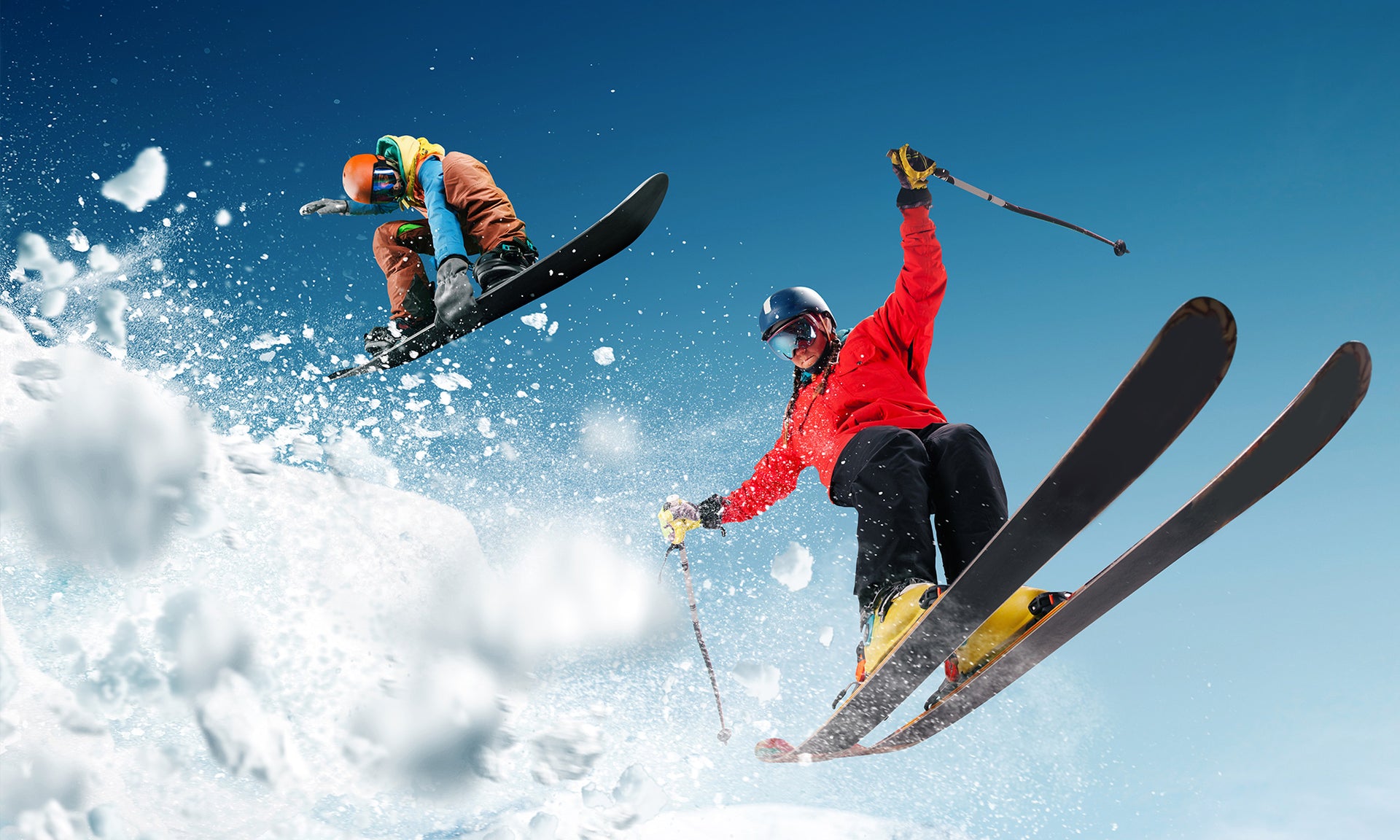
Skiing vs. Snowboarding: Which Sport is Tougher?
Explore the age-old debate of skiing versus snowboarding in our comprehensive guide. We'll analyze learning curves, physical demands, and injuries to reveal which sport truly challenges enthusiasts.
Skiing and snowboarding are two of the most popular winter sports that attract millions of enthusiasts each year. As winter approaches and the mountains start to get covered in snow, the debate often arises: which is harder, skiing or snowboarding? This question doesn't have a one-size-fits-all answer, as both sports have their unique challenges and learning curves. In this post, we will delve deep into the intricacies of both skiing and snowboarding, examining factors such as learning difficulty, physical demands, injuries, and personal preferences to provide a comprehensive understanding of these thrilling winter sports.
Understanding the Basics of Skiing and Snowboarding
Before we dive into the complexities of learning and performing these sports, it’s essential to understand the fundamental differences between skiing and snowboarding.
Skiing
Skiing involves sliding down snow-covered slopes on two skis attached to your feet. Skiers face forward, using ski poles to help with balance and steering. The primary movements in skiing include turning, stopping, and controlling speed. Skiing can be further divided into several categories, including downhill skiing, cross-country skiing, and freestyle skiing.
Snowboarding
In contrast, snowboarding involves riding a single board while facing sideways down the slope. Snowboarders use their body movements to steer and maintain balance rather than ski poles. Similar to skiing, snowboarding also has various styles, including freestyle, alpine, and backcountry snowboarding.
Learning Curve: Which is Easier to Master?
When comparing skiing and snowboarding, the learning curve is often one of the most debated aspects.
Skiing: The Beginner's Experience
- Initial Learning: Skiing is generally considered easier for beginners during the first few days of learning. New skiers can often find their balance more quickly, as their legs are separated, allowing for a more stable stance. The ability to use ski poles can also aid in balance and control.
- Turning and Stopping: The "snowplow" technique is a common method for beginners to learn how to stop and control their speed. With practice, skiers can progress to parallel skiing, which allows for greater speed and agility.
- Progression: Many skiers find that after a few days of lessons, they can begin tackling easier intermediate slopes, making it a relatively smooth progression.
Snowboarding: The Beginner's Experience
- Initial Learning: Snowboarding can be more challenging for beginners at first. Most new snowboarders experience a steep learning curve, often falling several times during their first few lessons. The sideways stance and the need for balance can be difficult.
- Turning and Stopping: New snowboarders typically learn to make their first turns by shifting their weight and using their toes and heels to control the board. Stopping effectively can also be challenging, with many beginners struggling to master the heel-side and toe-side stops.
- Progression: Snowboarders may take longer to feel comfortable on the slopes compared to skiers, but once they grasp the fundamentals, they often report a more exhilarating experience as they progress to more advanced techniques and tricks.
Physical Demands: Strength and Endurance
Both skiing and snowboarding require a certain level of physical fitness, but the specific demands vary between the two sports.
Skiing
- Muscle Groups Used: Skiing primarily works the quadriceps, hamstrings, calves, and core muscles. Skiers need strong legs and a stable core to maintain balance and control while navigating various terrains.
- Cardiovascular Fitness: Skiing can provide an excellent cardiovascular workout, especially when tackling challenging runs or navigating through varied terrain.
- Endurance: Skiing can be more physically taxing on the legs, particularly during long runs or when skiing on steep slopes. This requires good endurance to maintain performance throughout the day.
Snowboarding
- Muscle Groups Used: Snowboarding engages different muscle groups, including the glutes, core, and back. The emphasis on balance and stability means snowboarders also develop significant strength in their lower bodies.
- Cardiovascular Fitness: While snowboarding can also provide a decent cardiovascular workout, the focus on balance and technique often means that snowboarders may not exert themselves as intensely as skiers during a single run.
- Endurance: Snowboarding may require more upper body strength and core stability, especially when getting up after a fall. However, once a snowboarder becomes proficient, the overall physical demand may be less intense than skiing.
Injury Risk: Understanding the Dangers
Both skiing and snowboarding carry inherent risks, and knowing the potential injuries associated with each sport can help participants take necessary precautions.
Skiing Injuries
- Common Injuries: Skiers are prone to knee injuries, including ACL tears and meniscus injuries, due to the twisting and turning motions involved in skiing. Wrist injuries can also occur from falls while trying to maintain balance or control.
- Preventative Measures: Wearing properly fitted ski boots, using knee braces for added support, and engaging in strength training can help reduce the risk of injuries while skiing.
Snowboarding Injuries
- Common Injuries: Snowboarders often experience wrist injuries due to falls, as it's common to extend the arms to break a fall. Shoulder injuries and concussions can also occur during more advanced maneuvers.
- Preventative Measures: Using wrist guards, wearing a helmet, and learning proper falling techniques can significantly reduce the risk of injury while snowboarding.
Equipment: The Gear that Makes a Difference
The type of equipment used can greatly affect the learning experience and performance in both skiing and snowboarding.
Skiing Gear
- Skis: Choosing the right skis is crucial. Beginners should opt for shorter, more flexible skis, which are easier to control.
- Boots: Properly fitted ski boots provide the necessary support and control. Ensure that boots are snug but not overly tight.
- Poles: Ski poles can help with balance and turning. They should be the right height for the skier's height and skiing style.
- Clothing: Dressing in layers is essential for staying warm and comfortable on the slopes. Waterproof and breathable materials are recommended.
Snowboarding Gear
- Snowboard: Beginners should look for a soft flex board, which is more forgiving and easier to maneuver. Brands like Burton and K2 offer excellent options for novice snowboarders.
- Bindings: Snowboard bindings should fit snugly and allow for a range of motion. Proper adjustments can enhance control and responsiveness.
- Boots: Snowboard boots should provide comfort and support while allowing for flexibility. They come in various styles, including soft and stiff flex options.
- Clothing: Like skiing gear, snowboarding clothing should be layered, waterproof, and breathable to ensure comfort throughout the day.
Cultural and Personal Preferences: The Social Aspect
The choice between skiing and snowboarding often comes down to personal preference and social influences. Here are a few considerations:
- Cultural Influence: Skiing has a long history and is often perceived as a more traditional sport, while snowboarding is associated with a younger, more adventurous culture. This can influence individuals’ choices based on the social circles they are part of.
- Community: Both sports have vibrant communities, but the social dynamics can differ. Skiing tends to attract families and groups, while snowboarding has a more laid-back, freestyle approach.
- Lifestyle: Many enthusiasts choose one sport over the other based on lifestyle preferences. Skiing may appeal more to those who enjoy speed and precision, while snowboarding may attract thrill-seekers looking for tricks and jumps.
Conclusion: Making Your Choice
So, which is harder: skiing or snowboarding? Ultimately, the answer is subjective and varies from person to person. Beginners may find skiing easier to pick up initially, while snowboarding can offer a steeper learning curve but potentially a more rewarding experience once mastered.
Both skiing and snowboarding provide exhilarating experiences and the opportunity to enjoy beautiful winter landscapes. When deciding which sport to pursue, consider your physical abilities, personal preferences, and the type of experience you seek. Remember, it’s not about which sport is harder; it’s about finding the one that brings you the most joy on the slopes.
Regardless of your choice, investing in quality gear, taking lessons from professionals, and practicing safety measures will ensure you have a fantastic winter season filled with adventure and fun. Whether you choose to glide down the mountains on skis or carve your way on a snowboard, the thrill of winter sports awaits!