
Step-In vs Strap-On Snowboard Bindings: Which One is Right For You?
Discover top brands and compare step-in vs strap-on snowboard bindings. Find out which is best for your style and maximize your slope experience.
As winter approaches and the snow begins to blanket the mountains, snowboard enthusiasts eagerly gear up for an exciting season on the slopes. One of the key components in a snowboard setup is the binding, which plays a crucial role in how you experience your ride. Today, we'll delve into the fascinating world of snowboard bindings, comparing the increasingly popular step-in bindings against the traditional strap-on bindings. We'll explore the different brands, the pros and cons of each type, and help you decide which binding might be best for your snowboarding adventures.
Understanding Snowboard Bindings: Step-In vs. Strap-On
Traditional Strap-On Bindings
For many snowboarders, strap-on bindings are the classic choice. They have been around for decades and are favored by purists for their tried and tested design. Let's look at their key features:
How Strap-On Bindings Work
Strap-on bindings function with two main straps: an ankle strap and a toe strap. These straps are tightened over the boot to secure the rider's foot to the board. Many brands offer adjustable features for these bindings, allowing riders to tweak the fit to their preference.
Brands and Innovations
Several reputable brands make strap-on bindings, each offering unique features:
- Burton: Known for their quality and innovation, Burton's strap-on bindings are equipped with flex control and cushioned footbeds for added comfort.
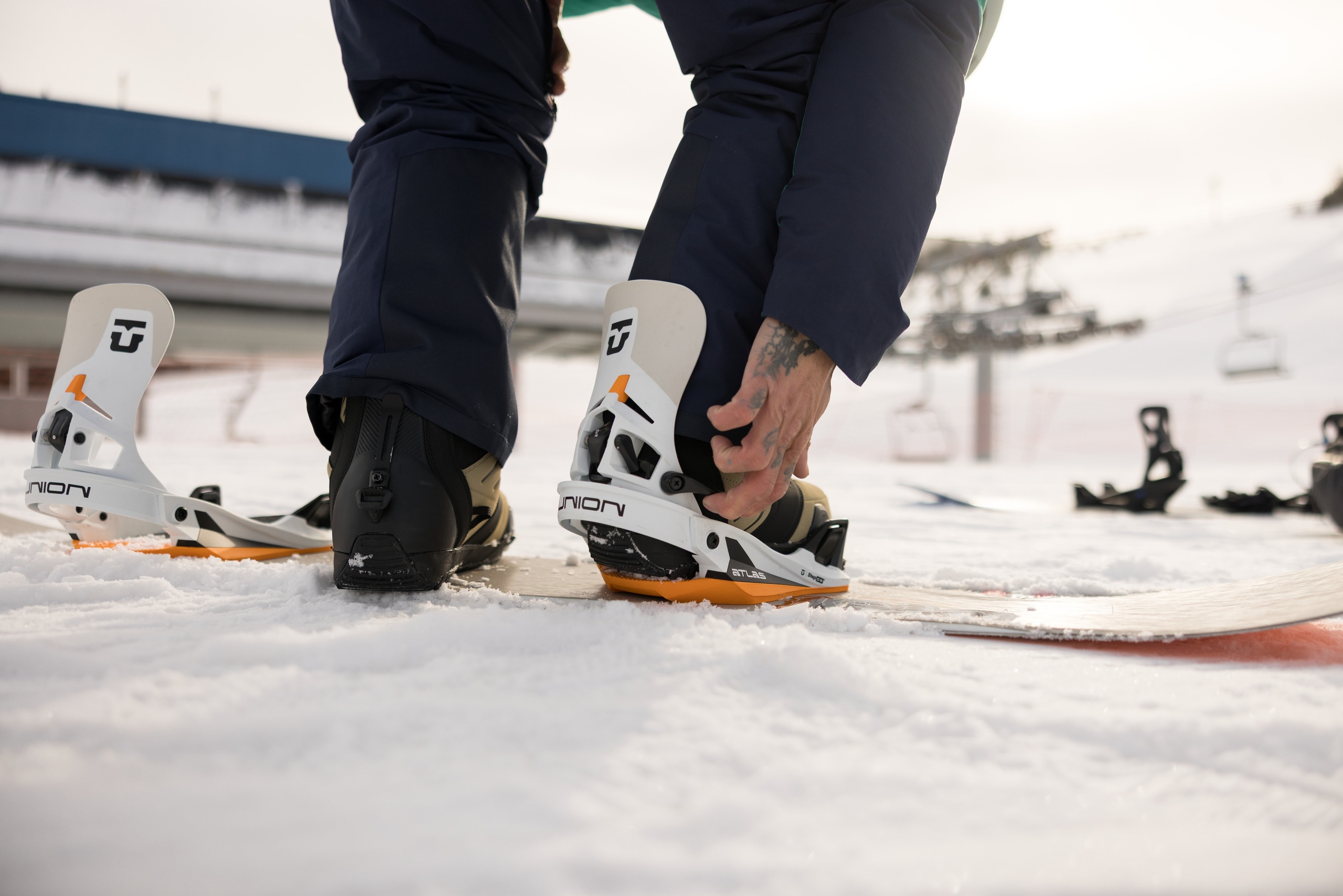
- Union: Union bindings are celebrated for their durability and precision, often selected by pro riders for their responsive design.
- Ride: Ride focuses on creating bindings with adjustable aluminum heel cups, providing a customized fit for maximum performance.
Step-In Bindings: The Future of Snowboarding?
Step-in bindings are a relatively new entrant to the snowboarding scene, designed for quick entry and exit. These bindings aim to streamline the experience, eliminating the need to sit down or adjust straps while on the move.
How Step-In Bindings Work
Step-in bindings, also known as step-on bindings, function through a series of locking mechanisms that connect the boot to the binding with a simple step. Typically, these systems require compatible boots designed to lock into the binding, creating a seamless interface between rider and board.
Popular Step-In Brands and Technology
Some of the leading brands pioneering step-in technology include:
- Burton Step-On: As the leading innovator, Burton's Step-On system boasts convenience, with three connection points for a precise fit. This model is favored for its easy exit and entry.
- K2 Clicker: K2 offers the Clicker X HB, combining step-in efficiency with a highback for extra support, ensuring all-mountain versatility.
- Flow: While traditionally known for rear-entry strap-in technology, Flow has also explored step-in solutions that simplify the rider's experience.
Pros and Cons: Which Binding Suits You?
Advantages and Disadvantages of Strap-On Bindings
Advantages:
- Adjustability: Offers customizable fit options to suit various riding styles and preferences.
- Compatibility: Fits a wide range of boots, making them versatile and user-friendly.
- Durability: Proven track record of lasting performance in diverse conditions.
Disadvantages:
- Time-Consuming: Can be cumbersome to strap in and out, especially in cold weather.
- Less Convenient: Requires sitting down or bending over to adjust.
Advantages and Disadvantages of Step-In Bindings
Advantages:
- Speed: Quick and easy step-in process that saves time and effort.
- Efficiency: Ideal for those who prefer spending more time riding than adjusting equipment.
- Innovation: Often incorporates the latest technology for comfort and performance.
Disadvantages:
- Boot Compatibility: Requires specific boots, potentially limiting boot options.
- Initial Cost: May be more expensive due to advanced technology and design.
Conclusion: Making the Right Choice for Your Ride
Choosing between step-in and strap-on bindings ultimately depends on your personal preferences and snowboarding style. For traditionalists and those who value customization, strap-on bindings with their adjustable features may remain the go-to choice. However, if you prioritize speed and convenience, step-in bindings could revolutionize your time on the slopes, providing you with more opportunities to ride and less time fiddling with equipment.
Whatever your decision, ensure you invest in quality bindings from reputable brands to enjoy every moment of your snowy escapades. So, strap on those bindings or snap in, and let the adventure begin!