Top 5 Ski Brands Reviewed: Which Legendary Planks Should You Ride?
From French icons to Austrian powerhouses, we break down the best ski brands. Discover the history, pros, cons, and costs of the industry's biggest players.
The Big Five: Shredding the Cream of the Crop
Listen up, powder hounds and groomer-zoomers. If you’ve spent any time on a chairlift, you know that the planks under your feet are more than just fiberglass and wood—they are your ticket to freedom (or a very expensive way to find out you have weak knees). Choosing a ski brand is like choosing a personality; do you want to be the rugged backcountry explorer or the speed demon in a tight-fitting race suit?
I’ve carved through the ice of Vermont and floated over the bottomless "champagne" of Utah to bring you this: The definitive review of the top 5 ski brands in the game right now.
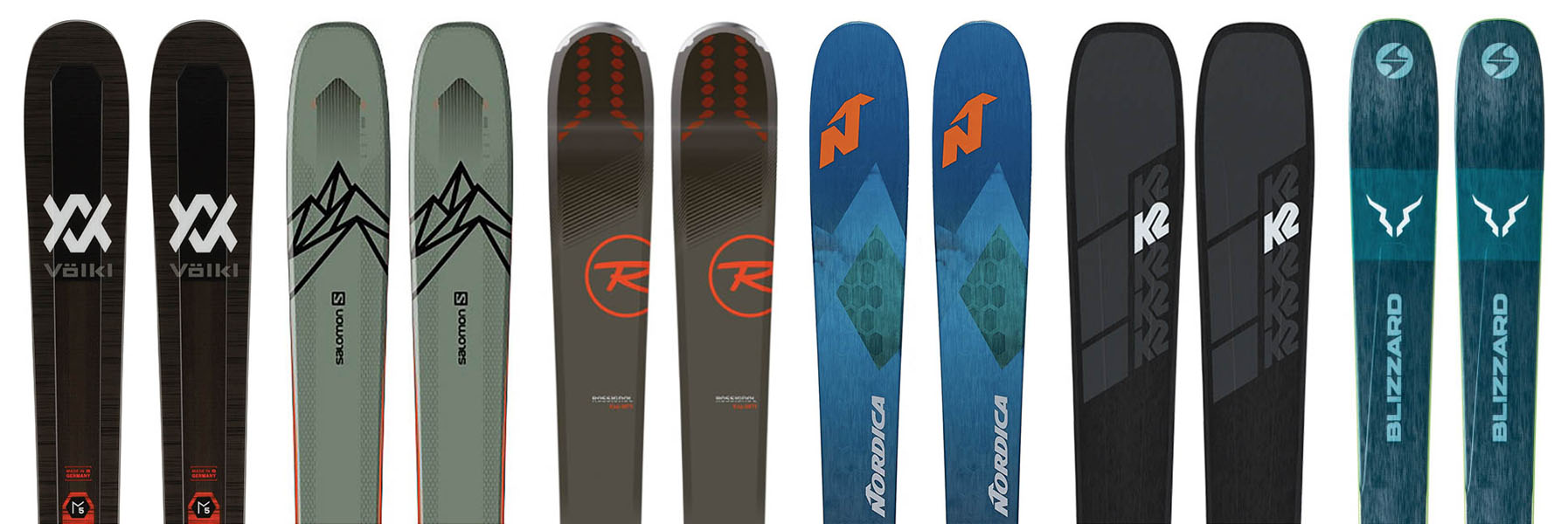
1. Rossignol: The French Icon
If skiing had a royal family, Rossignol would be wearing the crown. Founded in 1907 by Abel Rossignol, a carpenter who crafted his first pair from solid wood, this brand is synonymous with the history of the sport itself. They skyrocketed to fame on the Olympic circuit and have remained a powerhouse ever since.
- The Good: Consistency. Whether you're buying their legendary 7-Series or the newer Experience line, "Rossis" are famously intuitive. They feature "Air Tip" technology which reduces swing weight, making them incredibly easy to maneuver.
- The Bad: They can feel a bit "mass-produced." Advanced chargers often find their consumer-grade skis a bit too chatter-prone at high speeds compared to stiffer boutique brands.
- Cost: Mid-range ($500 – $900).
- Who they’re for: The "Everyman" skier. Perfect for beginners looking to progress and intermediates who want a reliable, predictable ride.
- Where they’re made: Primarily in Sallanches, France, and Artés, Spain.
2. Atomic: The Speed Merchants
Born in the heart of the Austrian Alps in 1955, Atomic is obsessed with one thing: performance. They are the choice of legends like Mikaela Shiffrin and Marcel Hirscher. If you want to feel like your skis are bolted to the snow, you look for the red star.
- The Good: Edge grip that could cut glass. Their "Servotec" technology acts like power steering for your skis, providing stability at speeds that would make your mother scream. Their backland series is also industry-leading for alpine touring.
- The Bad: They are demanding. If you get lazy with your form, an Atomic ski will let you know—usually by bucking you into the backseat.
- Cost: Mid to High-range ($600 – $1,100).
- Who they’re for: Former racers, hard-chargers, and anyone who thinks "slow" is a four-letter word.
- Where they’re made: Altenmarkt, Austria (The largest ski factory in the world).
3. Völkl: German Engineering on Snow
Founded in 1923 in Straubing, Germany, Völkl applies the same meticulous engineering to their skis that Porsche applies to cars. They are famous for the "Mantra"—a ski that arguably defined the all-mountain category for a decade.
- The Good: Precision. Völkl uses a "Titanal Frame" construction that provides a damp, smooth ride even on the crustiest "East Coast Ice." They don't vibrate; they just slice.
- The Bad: They are heavy. If you aren't used to a damp, metal-heavy ski, they can feel like two lead weights until you get them up to speed.
- Cost: High-range ($700 – $1,200).
- Who they’re for: The technical perfectionist. If you care about turn radii and edge angles, this is your brand.
- Where they’re made: Straubing, Germany.
4. Salomon: The Innovation Kings
Salomon started in 1947 in Annecy, France, as a family workshop making saw blades and ski edges. They eventually revolutionized the industry by inventing the modern safety binding. Today, they are the cool kids of the ski world, blending freestyle flair with high-tech materials.
- The Good: Versatility. The Salomon QST line is perhaps the most beloved "do-everything" ski on the market. They use C/FX (carbon and flax) to make skis that are light for hiking but stiff enough for ripping.
- The Bad: Durability can be a hit-or-miss topic in the forums. Their lightweight constructions are amazing to ski, but they might not take a beating against rocks as well as a Völkl.
- Cost: Mid-range ($500 – $850).
- Who they’re for: The modern "Freerider." People who want to ski the trees, drop a cliff, and then carve back to the lodge.
- Where they’re made: Designed in Annecy, France; manufactured mostly in Austria and Romania.
5. K2: The American Rebels
Started in 1962 on Vashon Island, Washington, K2 brought the "surf" mentality to the mountains. While the Europeans were focused on racing, K2 was focused on fun. They were pioneers in using fiberglass and were among the first to embrace rockered tips and FAT powder skis.
- The Good: The "Dampness." K2 skis have a unique, rubbery feel that soaks up bumps like a Cadillac. Their Mindbender and Reckoner series are absolute riots in soft snow and slush.
- The Bad: For those who love a "snappy" or "poppy" ski, K2s might feel a bit dead or "mushy." They don't have that energetic rebound of an Atomic or a Stockli.
- Cost: Affordable to Mid-range ($400 – $800).
- Who they’re for: The soul skier. If you’re more interested in finding a secret stash of powder and having a beer in the parking lot than winning a race, K2 is your vibe.
- Where they’re made: Designed in Seattle, Washington; manufactured in China (their giant K2-owned factory).
Final Verdict: Which one should you buy?
If you want reliability, go Rossignol. If you want speed, go Atomic. If you want German precision, go Völkl. If you want all-mountain freedom, go Salomon. And if you just want to have a blast without overthinking it, grab some K2s.
Pro Tip: Always demo before you buy. A ski's "soul" is hard to capture in words, but you’ll feel it the moment you tip it on edge. See you on the slopes!